

Maximizing Forex Trading Profit: Strategies and Insights
Forex trading, often referred to as foreign exchange trading, has become a popular way for individuals and institutions to invest in global currencies. The allure of high liquidity and the potential for significant profits have attracted traders from all walks of life. However, achieving profitability in the forex market requires a blend of skill, strategy, and discipline. In this article, we will explore various methods to maximize profit in forex trading, including technical and fundamental analysis, risk management strategies, and the psychological aspects of trading. For those looking for advanced trading platforms, consider checking out forex trading profit Trading Platform QA.
Understanding Forex Markets
Before diving into the strategies, it’s essential to understand how the forex market operates. The forex market is decentralized, meaning that it exists across various global exchanges instead of a centralized location. Traders buy and sell currencies in pairs, like EUR/USD or GBP/JPY. The differences in currency values are influenced by a myriad of factors, including economic data releases, geopolitical stability, and market sentiment. Understanding these influences is key to anticipating currency movements and making informed trading decisions.
Technical Analysis
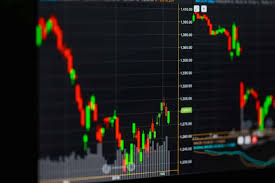
One of the most widely used methods for forecasting price movements in forex trading is technical analysis. This approach involves analyzing historical price data through charts and indicators to identify patterns and trends. Here are some fundamental components of technical analysis:
- Charts: Traders often use line charts, bar charts, and candlestick charts to visualize price movements. Candlestick charts, in particular, provide valuable information about market sentiment, such as bullish or bearish trends.
- Indicators: Common technical indicators include moving averages, Relative Strength Index (RSI), and Bollinger Bands. These tools help traders assess overbought or oversold conditions and identify potential reversal points.
Developing a Trading Strategy
A well-defined trading strategy is crucial for maximizing profit. Strategies can vary widely but should include entry and exit points, risk management protocols, and performance evaluation metrics. Here are some approaches traders may consider:
- Trend-following: This strategy involves identifying a prevailing trend and making trades in the direction of that trend. Traders often use moving averages to confirm trend direction.
- Range trading: In this approach, traders identify a price range where a currency pair has historically traded and make trades at the extremes of that range.
- Breakout trading: Traders watch for significant price levels where currency pairs break through resistance or support, entering trades when a breakout occurs.
Fundamental Analysis
In addition to technical analysis, understanding the economic backdrop can provide traders with insights that technical indicators might miss. Fundamental analysis involves studying economic indicators, central bank policies, and geopolitical factors that influence currency values. Key metrics to keep an eye on include:
- Interest rates: Currencies from countries with higher interest rates often appreciate compared to those with lower rates. Traders monitor central bank announcements closely.
- Employment data: Metrics like the Non-Farm Payroll (NFP) in the U.S. provide insights into economic health and can influence currency valuations.
- Inflation rates: High inflation can lead to central banks raising interest rates, which may strengthen a currency.
Risk Management Strategies

Forex trading can be highly volatile, and without proper risk management, traders can see significant losses. Fundamental principles of risk management include:
- Setting stop-loss orders: This order automatically closes a losing position at a defined price, helping to limit losses.
- Position sizing: Determining the amount of capital to risk on each trade can help traders manage their overall exposure.
- Diversification: Spreading investments across various currency pairs can reduce overall risk.
Trading Psychology
The psychological aspect of trading is often overlooked but is critical to long-term success. Emotions can cloud judgment, leading to impulsive decisions. Here are a few tips to enhance trading psychology:
- Sticking to the plan: Having a trading plan and discipline to follow it can prevent emotional trading.
- Keeping a trading journal: Documenting trades can help traders analyze their performance, identify mistakes, and learn from them.
- Avoiding overtrading: Refraining from making too many trades can prevent unnecessary losses, especially in a volatile market.
Continuous Learning and Adaptation
The world of forex trading is dynamic, with market conditions changing rapidly. To remain profitable, traders should commit to continuous learning and adaptation. Engage in the following practices:
- Participating in webinars and trading seminars: Industry experts often share insights on current trends and strategies.
- Reading books and articles: Expanding knowledge through literature can provide new perspectives on trading strategies and psychology.
- Networking with other traders: Joining trading communities can help share experiences, strategies, and tips for success.
Conclusion
Maximizing profit in forex trading is a multifaceted endeavor that requires an understanding of both technical and fundamental analysis, effective risk management, and strong psychological resilience. By adopting strategic approaches and committing to ongoing education, traders can position themselves better in pursuit of their trading goals. Whether you’re a novice or an experienced trader, the strategies and insights discussed in this article can help you navigate the complexities of the forex market and enhance your profit potential.
