
Quant Aura review covering algorithmic trading performance and risk controls
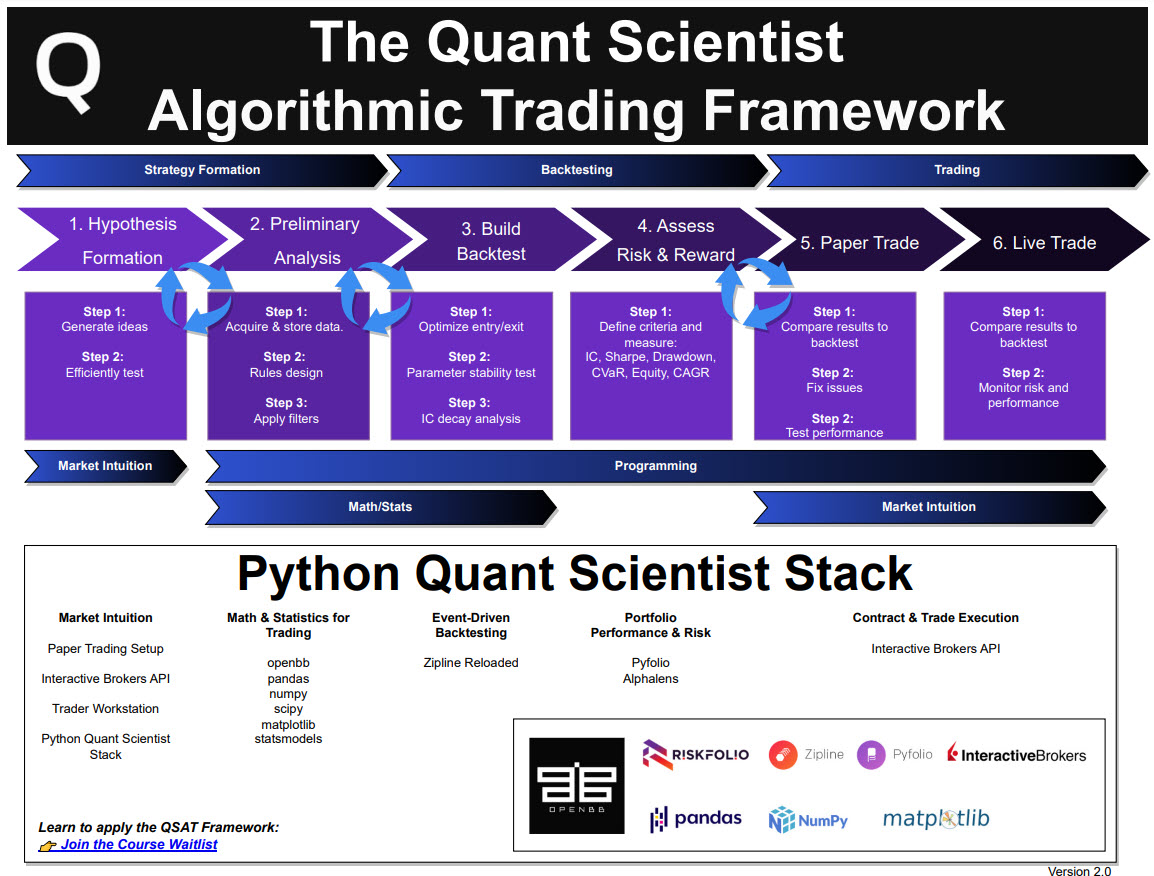
To optimize investment success, a robust approach incorporating advanced mathematical models and stringent prevention measures is necessary. Tools available at Quant Aura provide essential functionalities to harness data patterns effectively, leading to informed decision-making.
Implementing precise parameters when utilizing automated systems can significantly mitigate exposure to adverse fluctuations. Rigorously testing trading setups through simulation environments allows users to identify vulnerabilities before deploying real capital. This proactive assessment is crucial for maintaining portfolio stability.
This framework not only engages analytical techniques but also emphasizes the importance of continuous monitoring. Establishing alerts for unexpected market movements aids in promptly executing adjustments, further safeguarding against potential losses. Strategizing with disciplined entry and exit points ensures sustained performance in dynamic markets.
Evaluating Algorithmic Strategies with Quant Aura’s Insights
Adopt a data-driven approach by leveraging extensive backtesting against historical datasets to evaluate the robustness of various tactics. Implement Monte Carlo simulations to assess the potential impact of market volatility on performance. Tracking drawdowns and recovery times provides additional layers to understand risk exposure while optimizing strategies in real-time. Incorporating machine learning models can enhance predictive analytics, refining execution based on emerging trends and anomalies.
Regularly conduct performance analysis using benchmarks that align with the objectives of your chosen methods. Employ key metrics such as Sharpe ratio and maximum drawdown to gauge the effectiveness of strategies. Periodic reviews based on market conditions are necessary to adapt and recalibrate approaches to maintain competitive advantage. Utilize peer comparisons to identify weaknesses and opportunities for innovation in your methodologies.
Implementing Robust Risk Management Techniques in Algorithmic Trading
Establish strict position sizing rules. Allocating only a small percentage of total capital–commonly between 1% to 2%–to each trade minimizes the impact of losing positions on overall equity. This approach mitigates significant drawdowns in volatile market conditions.
Incorporate stop-loss orders dynamically. Setting predefined exit points helps protect profits and limits losses. Adjust these thresholds based on market volatility. For instance, using the Average True Range (ATR) to set stop-loss levels allows for more adaptive and effective risk mitigation.
Regularly backtest strategies. Utilize historical data to simulate performance under various market conditions. This process identifies potential weaknesses and enables adjustments before real capital is put at risk. Ensuring comprehensive coverage across different market phases is critical.
Integrate diversification across multiple assets or strategies. Spreading investments reduces reliance on any single source of capital loss. For example, pairing long positions in equities with short positions in commodities can create a natural hedge.
Monitor slippage and transaction costs vigilantly. These can erode profitability significantly over time. Implementing algorithms that account for these factors in real-time trading conditions enhances overall execution quality.
Utilize position correlation metrics to identify interdependencies between assets. By analyzing correlations, you can adjust positions accordingly to reduce exposure to systemic risks present during market downturns.
Develop a robust exit strategy. Merely entering a position based on a set of criteria is insufficient; defining criteria for closing positions is equally important. Focus on profit targets, time-based exits, and trailing stops to safeguard gains.
Continuously refine and adapt strategies. Market dynamics shift; therefore, maintaining an iterative improvement process is critical. Regularly review performance metrics and adjust models according to the latest market intelligence to ensure sustained efficacy in risk management.
Q&A:
What is the main focus of the Quant Aura review on algorithmic trading?
The Quant Aura review primarily concentrates on examining the mechanisms of algorithmic trading and the associated risk controls. This includes a detailed analysis of specific trading algorithms, their performance metrics, and how various risk management strategies are applied to ensure that these algorithms operate within predefined risk parameters. The review aims to provide insights into the effectiveness of different trading algorithms in the context of both profit generation and risk mitigation.
How does Quant Aura approach risk management in algorithmic trading?
Quant Aura approaches risk management by employing a variety of strategies tailored to the unique characteristics of each trading algorithm. This includes setting strict stop-loss limits, employing diversification techniques, and continually monitoring market conditions to adjust risk parameters. Moreover, the review discusses the importance of backtesting trading algorithms against historical data to identify potential weaknesses and enhance their performance under different market scenarios. By integrating these strategies, Quant Aura aims to provide a comprehensive framework for managing the inherent risks of algorithmic trading.
What types of algorithms are reviewed by Quant Aura?
Quant Aura reviews a range of algorithmic trading strategies, including trend-following algorithms, mean-reversion strategies, and arbitrage systems. Each category is examined for its methodology, strengths, and weaknesses. The review also highlights case studies of specific algorithms, discussing their historical performance, the market conditions in which they excel, and any notable failures. This thorough analysis helps traders understand the practical applications and limitations of each type of algorithm.
Can individual investors benefit from the insights provided in the Quant Aura review?
Yes, individual investors can certainly benefit from the insights provided in the Quant Aura review. By understanding the mechanics of algorithmic trading and risk management strategies, individual traders can make more informed decisions about their own trading approaches. The review offers practical tips on selecting algorithms that align with their risk tolerance and investment goals. Additionally, the discussion on performance metrics and the importance of backtesting can guide individual investors in evaluating their own strategies or considering automated trading solutions.
How does the Quant Aura review address the limitations of algorithmic trading?
The Quant Aura review acknowledges several limitations of algorithmic trading, such as reliance on historical data, potential for overfitting, and market conditions that may not be accurately predicted. It discusses how algorithms can perform poorly during unexpected market events or periods of high volatility. The review emphasizes the necessity for traders to remain actively engaged with their trading strategies, continually reassessing and adjusting them in response to changing market dynamics. This critical perspective helps ensure that traders are aware of the risks associated with automated trading and the need for a proactive approach to trading management.
Reviews
Daniel
Isn’t it amusing how some people think they can crack the stock market code with fancy algorithms? I mean, do these strategies really protect against real risks, or is it all just wishful thinking? What do you guys think—are we all just playing a glorified guessing game here?
Matthew
Did you create a risk control algorithm, or just summon a potion of financial wizardry? Because I’m still waiting for my magic beans to sprout into a money tree.
Michael Johnson
Algorithmic trading and risk controls are intertwined in a delicate balance that can define success or failure. It’s exhilarating to witness how Quant Aura approaches these complexities, reinforcing the importance of precision and analytics. Their emphasis on robust risk management strategies is a relief, allowing traders to focus on strategies without being consumed by uncertainty. In an arena rife with volatility, the insights provided here are invaluable for anyone serious about mastering the craft. The potential for innovation in this field can’t be overstated; it’s a thrilling time to engage with these concepts.